
SaaS Isn't Dead, But The Blinds Just Went Up.


In poker, every hand starts with two players posting mandatory bets. These bets - known as blinds - give other players an incentive to enter the pot; after all, without any reward, there is no incentive to take risk.
When you play a tournament, a clock runs in the background. At pre-fixed intervals, the blinds go up. This escalating floor functions like a rising tide - players who previously had marginal chip stacks find themselves “shallow”, meaning they have very little room to maneuver on any given pot. At a certain inflection point the optimal strategy becomes “push or fold” - go all in or get out of the way. The shallower one finds oneself, the more “marginal” hands it makes sense to go all-in with - you simply don’t have another choice.
For years, SaaS has found itself incredibly deep-stacked with flat blinds.
The interesting take is not “SaaS is dead” or “this is the best time ever to buy SaaS”, but something much more nuanced and pernicious: If you’re in SaaS, the level of rigor and discipline that will be required to survive in this climate is literally unprecedented. AI has raised the blinds both dramatically and overnight.
If this doesn’t sound too intimidating, consider the following: For the majority of its existence, SaaS has seen zero existential threat. Sure, there have been a couple of momentary bear markets - but those have been macro in nature rather than categorical. For the most part SaaS’ precious margins have been protected by one thing and one thing only: Building software was expensive and difficult. What were you gonna do, hire a team of software engineers to build SalesForce internally?
Seemingly overnight, that all changed.
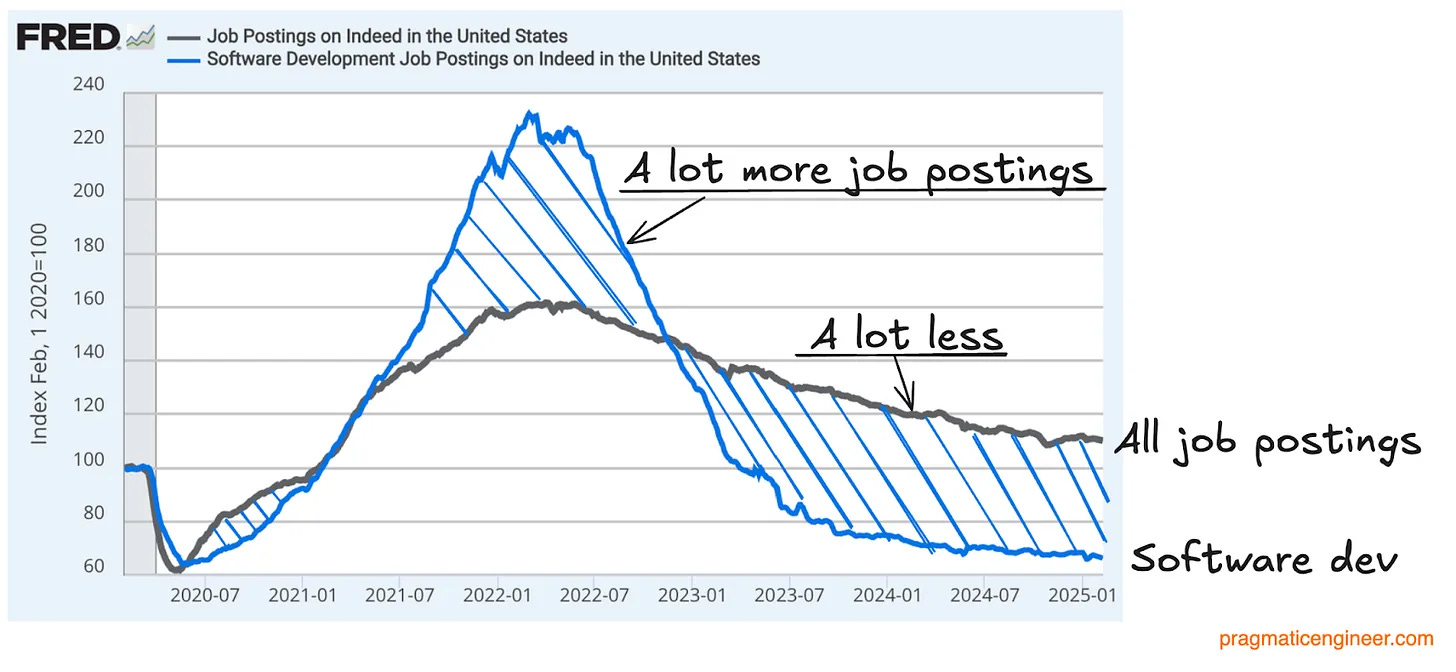
More than ever, software sellers find themselves having to defend against “why don’t we just build this internally?”
Much of the debate in the “SaaS - Dead Or Alive?” discourse has focused on whether it’s feasible to “vibe code” something internally - those who trumpet the demise of for-profit say YAY, while software bulls say NAY.
The answer is...it doesn’t really matter. Here’s why:
When buyers pit you against “build it internally”, they’re running a cost-benefit analysis - which means you’ve got two vectors of counter-attack:
Convince them that you can generate additional benefit - dubious given that they think they can build the same thing internally and that largely people think sales people are full of shit.
Lower your price to tip the cost-benefit scale back in your favor - way easier to do when sales people just want to close deals to get managers off their back and between closing something and nothing they’d rather pick something
Which do you think is going to happen?
We will discuss the downstream implications of this tomorrow.
CN