
SaaS Isn't Dead, But The Blinds Just Went Up (Part 2)

“Hard times create strong men, strong men create good times, good times create weak men, and weak men create hard times”
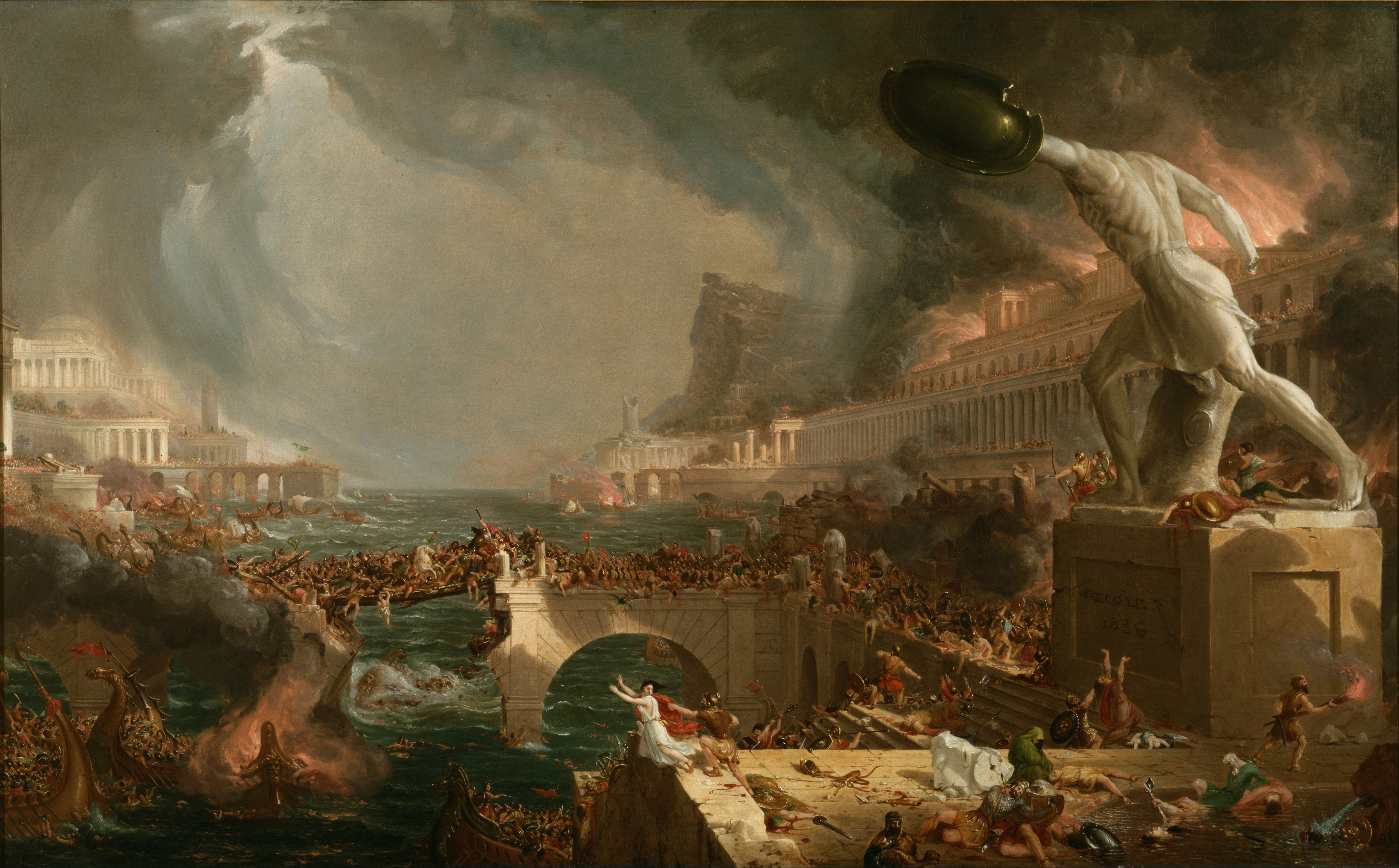
Since the turn of the century, SaaS has been the Versailles of business - a golden palace where the SaaStocrats are entertained by courtesans singing of fat margins and dining on inbound recurring revenue. The masses pooled at the gates - covetous of the riches inside - are held back only by a gate ominously labeled “SOFTWARE DEVELOPMENT” .
Overnight, the gate comes crashing to the ground. The masses surge forward like a scene from Dawn of The Dead. The palace guards, accustomed only to the cushy life of greeting incoming delegates, are swarmed - engulfed by the hungry mobs they were never trained to fight.
The barbarians are inside the palace, and SaaS will never be the same.
Capitalism’s beauty is found in its paradox - how does a system that explicitly encourages people to be as self interested as possible produce the largest aggregate good? In the context of our preceding dispatches, efficiency is an emergent behavior of capitalism - buyers and sellers alike enter the market each and every day trying to get the very best deal for themselves, and somehow out of this process arises the best possible deal for the greatest number of people.
If the above statement is shocking, it’s because the aggregate good is distinct as the highest good for every agent. The curve slopes up and to the right, but the curve is a weighted average of winners and losers.
For the first time, SaaS is about to find out how the other half lives.
In the subsequent two dispatches, we will go through the market shift through the lens of (1) supply side implications and (2) demand side implications, then take it micro and talk about operational implications for (a) organizations and (b) individuals inside of the ecosystem.